Sleep Environment and Air Quality: Practical Improvements for Restful Nights
A guided exploration of how the bedroom’s microclimate—air quality, humidity, light, and noise—shapes sleep. Practical, low-cost steps to reduce allergens, optimize climate, and cocoon your sleep space in calm.
Published September 30, 2026
Why the Bedroom Environment Matters for Sleep Health
From the National Geographic vantage point, the bedroom is more than a sanctuary for rest. It is a micro-ecosystem where air quality, humidity, temperature, light, and sound converge to quietly sculpt the hours of relief we receive each night. Sleep scientists describe how even modest deviations—from a hushed, dusty room to a slightly warmer evening—can ripple through our circadian rhythm, impacting how quickly we fall asleep, how deeply we rest, and how refreshed we feel upon waking.
The environments we inhabit shape our biology as surely as food or exercise. A sleep-wavoring space is not a fortress of luxury alone; it is a carefully tuned system. Factors such as mold spore counts, volatile organic compounds, and airborne allergens can influence airway reactivity, nasal passages, and lung function—especially in sensitive individuals. Conversely, a space that manages light exposure, controls ambient noise, and sustains comfortable humidity fosters a smoother transition into restorative sleep. This article presents practical, science-aligned steps you can adopt today to cultivate a calmer, healthier sleep environment.
Key Environmental Factors and Sleep Outcomes
Sleep quality arises from a constellation of interlinked variables. Three broad domains stand out for practical improvement: air and humidity, light control, and noise management. Each domain interplays with personal routines and the bed’s microclimate, shaping the ease with which the mind can decouple from wakefulness and the body can settle into a steady rhythm.
- Air quality and allergens: Dust, pollen, pet dander, and mold spores can irritate airways, trigger allergic responses, or provoke inflammatory responses that disrupt sleep. A bedroom with cleaner air tends to produce fewer awakenings due to coughing, throat irritation, or nasal congestion.
- Humidity and temperature: Relative humidity around 40–50% and a comfortable ambient temperature (roughly 60–67°F or 15–19°C for many people) support optimal mucosal function and reduce nighttime awakenings caused by dryness or overheating.
- Light exposure: Light acts as a powerful regulator of the circadian clock. Evening and nighttime light, particularly blue-spectrum light, can suppress melatonin production, delaying sleep onset and altering sleep architecture.
- Noise and acoustic environment: Sudden or persistent noise fragments sleep and reduces slow-wave and rapid eye movement (REM) sleep. Stable, predictable acoustic surroundings support deeper, more continuous sleep cycles.
Low-Cost, Do-It-Now Improvements
Adopting a few practical steps can yield meaningful gains in sleep quality without requiring expensive equipment or major renovations. The goal is to create a calmer, more predictable sleep environment using approachable, sustainable choices.
1) Air Quality and allergen control
Clean air in the bedroom begins with reducing sources of indoor pollution and enhancing ventilation where feasible. Public health guidance emphasizes pollutant exposure minimization, especially for sensitive individuals. Start with these steps:
- Keep windows closed during high outdoor pollution or pollen days, and use a portable air purifier with a certified HEPA filter if indoor air quality concerns persist.
- Vacuum and dust regularly with a microfiber cloth, focusing on surfaces that trap dust. Consider using a vacuum with a HEPA filter to minimize recirculation of fine particles.
- Mold prevention hinges on moisture control. Address any visible moisture intrusion, ensure bathroom exhausts vent outdoors, and fix leaks promptly. If you observe persistent dampness or musty odors, address moisture sources and consider a dehumidifier in damp climates.
- Inspect bedding and textiles for allergens. Wash linens in hot water (at least 130°F / 54°C) periodically and air-dry where possible to reduce microbial buildup.
2) Humidity management
Humidity shapes comfort and mucosal integrity. In many climates, maintaining relative humidity in the 40–50% range supports throat and nasal passages, while protecting furnishings from mold and mildew.
- Use a hygrometer to track humidity levels. If readings drift above 50%, consider a dehumidifier or improved ventilation. If consistently below 40%, a humidifier can help, particularly in dry winter months.
- Avoid placing humidifiers directly next to the bed where mist may settle on skin or sheets; position devices to promote even distribution of humidity.
3) Light control for the circadian signal
Light management shapes the brain’s perception of day and night. The aim is to create a dim, warm environment after dusk and a brighter, natural exposure during waking hours.
- Install blackout curtains or blinds to block streetlight and early dawn illumination. Consider window films or heavy drapes for additional light attenuation.
- Replace bright night lighting with dim, warm-toned options. Use warm LED bulbs (2700–3000K) for evening hours and reserve cooler, brighter light for daytime.
- During sleep, minimize device exposure that emits blue light. If screens are necessary, enable built-in night modes or use blue-light blocking settings and consider a blue-light filter on devices.
4) Noise management and acoustic comfort
Noise is a frequent disruptor of sleep continuity. A calm acoustic environment supports longer spans of deep sleep and more stable REM cycles.
- Use heavy, sound-dampening curtains or add soft, breathable textiles like a rug at the bedroom floor to dampen footstep and ambient noise.
- Consider white noise or nature-sound machines at a steady, non-intrusive volume if external noises are unpredictable or constant.
- Seal gaps around doors and windows where feasible to reduce street noise infiltration.
A Bedtime Routine and Sleep Environment as a System
Beyond singular changes, the most effective sleep improvement arises from approaching the bedroom as a sleep system. Rituals, routines, and a consistent sleep window reinforce the physiological signals that guide the body into rest. Combine practical adjustments with a routine that signals the body to wind down: a fixed bedtime, a relaxing pre-sleep practice, and a calm space that remains consistent across nights.
In the National Geographic tradition of observant storytelling, one can imagine a bedroom not as a mere room but as a microcosm of daily life—an interface between personal health, home ecology, and daily habit. The practical steps above are not merely upgrades in comfort; they are investment in sleep health, with implications for mood, cognitive function, and long-term well-being.
Printable, Actionable Resources for Home Practice
To translate knowledge into daily action, consider easy-to-use formats that families and individuals can print and pin to a bulletin board or keep in a bedside drawer. These templates empower you to implement the recommendations without cognitive overload.
- Air Quality Quick-Start Checklist: list of steps to reduce allergens, monitor air freshness, and plan periodic maintenance of filtration devices.
- Humidity and Temperature Tracker: a simple chart to log nightly humidity and temperature and guide adjustments to humidifiers or dehumidifiers.
- Light and Noise Audit: a 1-page form to map light sources, nighttime light exposure, and noise levels, with actionable mitigations per observation.
A Note on Evidence and Public Health Alignment
The sleep environment is an area where practical guidance intersects with public health recommendations. Credible guidelines emphasize reducing exposure to indoor pollutants, maintaining comfortable humidity, and controlling light and noise to support sleep health. While this article avoids prescribing medical treatment, it is grounded in broadly accepted principles that health professionals recognize as foundational for sleep hygiene. For individuals with chronic respiratory conditions, allergies, or sleep disorders, consulting healthcare professionals remains important, and public health resources can offer additional guidance tailored to personal needs.
Putting It All Together: A 7-Day Sleep Environment Makeover Plan
- Day 1: Assess the current air quality with a basic hygrometer and identify obvious moisture or mold hotspots. Clean visible surfaces and replace filters if applicable.
- Day 2: Introduce a simple window treatment upgrade—blackout curtains or blinds to reduce stray light in the evening.
- Day 3: Add a hygrometer-based humidity plan. If humidity runs high, implement a dehumidifier; if low, introduce a humidifier in the sleeping zone.
- Day 4: Optimize a near-bed lighting scheme with warm, dim lighting for evenings; mute or turn off screens at least 1 hour before bed.
- Day 5: Address noise by layering textiles (curtains, rug) and, if needed, introduce a steady, non-intrusive sound source such as white noise.
- Day 6: Refresh bedding with breathable fabrics and wash cycles, ensuring linens are clean and inviting for night use.
- Day 7: Establish a consistent bedtime routine and a fixed wake-up time, reinforcing the rhythm your body expects for deep, restorative sleep.
Product Considerations and a Cautious Note on Curation
While the bedroom is a sanctuary, the goal here is editorial integrity and information that is useful to readers without endorsing products. If considering tangible purchases to support the improvements outlined, seek items that truly align with the goals of air quality, humidity control, light management, and acoustic comfort. For example, a well-sealed room, breathable fabrics, and non-toxic materials support a healthier sleep environment. If you are exploring specific bedding products, opt for those that prioritize hypoallergenic materials, low-emission finishes, and durable, breathable weaves. In the current site context, only products that genuinely fit the sleep-environment improvement narrative should be cited, with links to their product pages when appropriate.
Further Reading and Public-Health Resources
Readers seeking deeper understanding can consult reputable health and housing guidance on sleep hygiene, indoor air quality, and environmental health. Public-health organizations and academic summaries offer evidence-based perspectives, which can complement practical, at-home steps for improving sleep quality.
Concluding Thoughts
The sleep environment is a dynamic blend of air, climate, light, and sound. By approaching the bedroom as a cohesive system and implementing measured, affordable changes, you can nurture a space that welcomes rest and promotes daytime resilience. In the spirit of thoughtful, evidence-informed living, these steps encourage readers to observe, adjust, and cultivate a bedroom that is not only clean and comfortable but scientifically aligned with restful, restorative sleep.
References and Acknowledgments
The guidance here reflects widely accepted sleep-health principles and public-health guidance about indoor air quality, humidity, light, and acoustics. Readers are encouraged to consult healthcare professionals and reputable public-health resources for tailored advice related to personal health conditions or vulnerabilities.
Related Products Featured on This Site
Note: Product mentions are offered only when they meaningfully support the sleep-environment improvement narrative and link to their official product pages.
Bovi Classic Hotel Pillowcases and Shams
100% cotton percale, crisp 200 thread count with tailored detailing. A refined finish that complements a calm sleep space.
SKU: BOVI HOTEL CLASSIC
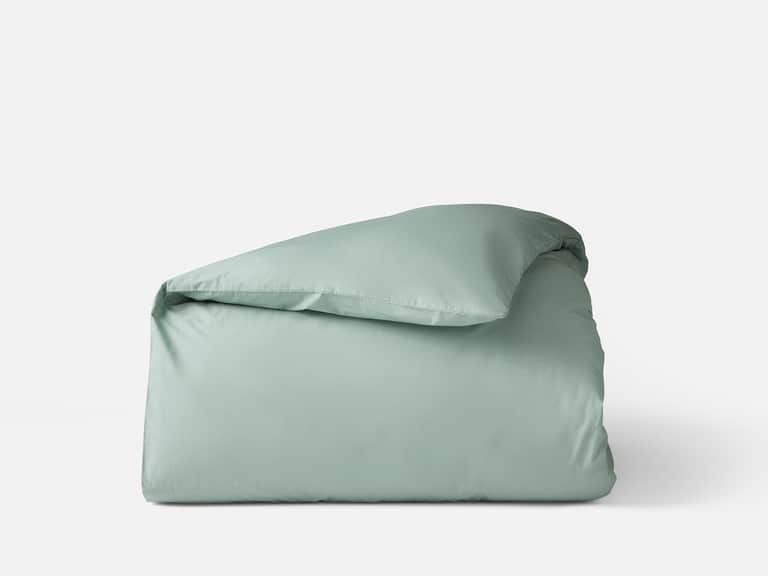
View product detailsRefined Organic Percale Duvet Cover
GOTS-certified, 100% organic cotton with interior ties and coconut shell buttons for secure, breathable coverage.
SKU: SP25_300TC Organic Percale Duvet Cover
View product detailsCertified Organic Crib Mattress Topper
GOTS-certified organic cotton sateen with wool batting; breathable, temperature-regulating comfort for little ones.
SKU: 6436
View product details