Bedding · Sleep comfort
How Cotton Sheet Weaves Shape Nighttime Comfort
The cotton fibers may be similar, but the path each thread takes through the cloth changes how sheets feel against the skin. Percale is crisp and airy; sateen is smooth and fluid. Learning to read that difference can help you choose bedding that feels right for your body, room, and routine.
At bedtime, a sheet is more than a layer between sleeper and mattress. It is the surface a shoulder meets when turning, the cool patch a hand searches for on a warm night, and the fabric that gathers or glides as the body shifts. Small differences in texture and airflow can shape whether a bed feels fresh and crisp or soft and enveloping.
Those sensations are not determined by cotton alone. The weave—the arrangement of lengthwise and crosswise threads—helps give fabric its character. Two cotton sheet sets can have similar fiber content and thread counts yet feel noticeably different because their threads interlace differently. Percale and sateen are two familiar examples, each with its own balance of surface feel, drape, and breathability.
Neither weave is universally better. A cool sleeper in a drafty room may welcome sateen’s smooth, close drape, while someone who often feels warm may prefer percale’s crisp hand and airy impression. The most useful choice begins with noticing what you like: the feel of fabric on your skin, the temperature of your bedroom, and how much care you want to give your sheets.
First, follow the threads
Woven cotton fabric is made from two sets of yarn. The warp threads run lengthwise on the loom; the weft threads pass across them. The weave describes how those threads cross over and under one another. A change in that pattern affects the way a cloth catches light, bends, breathes, and moves.
Percale uses a simple one-over, one-under structure. The threads cross in a regular, balanced pattern, creating a matte surface that often feels crisp and smooth. Sateen uses a different arrangement, in which one yarn passes over several others before crossing beneath. That structure leaves more thread surface exposed on one side of the cloth. The result is usually a soft, smooth face with a gentle sheen and a more fluid drape.
It is tempting to attribute every difference to thread count, but that number is only one part of a fabric’s story. Fiber length and quality, yarn construction, finishing, and weave all contribute to the final feel. A higher thread count does not automatically mean cooler, softer, or more durable bedding. The weave offers a more direct clue to whether a sheet will feel crisp or silky, though the precise result still depends on how the fabric is made.
Percale: a crisp, open-feeling surface
Percale sheets are often described as cool, clean, or hotel-like. Their balanced weave gives the fabric a smooth but not especially shiny finish. Rather than falling heavily around the body, percale tends to hold a little structure. Some sleepers enjoy the fresh, lightly crisp sensation; others find new percale somewhat firm until it has been washed and used.
The airy impression of percale can make it appealing to people who sleep warm. The weave and fabric weight influence how readily heat and moisture move through the bedding, while the space around a sleeper and the room’s temperature also matter. Percale does not actively cool the body, and it cannot compensate for an overheated room or an overly insulating duvet. But compared with a heavier, more closely draping fabric, it may feel less enveloping.
One example is the Naturepedic Organic Cotton Percale Sheet Set, described as a lightweight, crisp 300-thread-count organic cotton percale. The Sleep and Beyond 100% Organic Cotton Percale Sheet Set uses a 270-thread-count percale weave and is presented as an airy option for warm sleepers. These details can help explain a product’s intended feel, but personal preference and bedroom conditions remain important.
Percale can soften with laundering, becoming more relaxed without necessarily losing its crisp character. If the first night feels unusually stiff, give the fabric several washes before deciding it is not for you. Follow the care label, use an appropriate amount of detergent, and avoid overloading the washer so the sheets can move freely through the cycle.
Sateen: smoothness and a softer drape
Sateen is recognized by its smooth surface, subtle luster, and easy drape. The weave exposes more yarn along the face of the cloth, allowing it to feel silkier than the more matte surface of percale. Many people describe sateen as cozy or softly polished. Its fabric can settle closer to the body, creating a different sensation from percale’s structured, crisp finish.
That close drape may feel welcoming in a cool room or to someone who prefers a softer, more substantial touch. But a smooth hand should not be mistaken for a guarantee of warmth. Temperature comfort depends on several interacting factors: the weight and construction of the sheets, the duvet or blanket above them, room temperature, humidity, and a sleeper’s own heat regulation. Some sateen sets are light; some percale fabrics are comparatively substantial.
The Sleep and Beyond Organic Cotton Sateen Sheet Set is described as a 300-thread-count organic cotton sateen with a soft feel. Another option, the Sleep and Beyond mySheet Set, is also made from 300-thread-count cotton sateen. Comparing fabric descriptions alongside care instructions and fitted-sheet dimensions can make it easier to judge whether a set suits your preferences and mattress.
Because sateen has a smoother surface and can drape more closely, it may show wrinkles differently from percale. Its finish can also be more vulnerable to wear from rough handling or repeated friction, depending on the yarns and construction. Turning sheets inside out before washing and avoiding harsh treatment are practical ways to care for many cotton fabrics; always let the manufacturer’s directions take priority.
Breathability is more than a label
“Breathable” is common bedding language, but it does not describe one single performance measure. In everyday use, people often use it to mean that a fabric does not feel stifling, that warmth can escape, or that moisture does not linger unpleasantly against the skin. Those experiences are influenced by the whole sleep system, not only the sheet weave.
Fiber matters. Cotton can absorb moisture, but how quickly fabric takes it up and releases it depends on its construction and finishing. The weave and weight matter, too: a lighter, more open-feeling fabric may seem airier than a denser one. Yet the duvet, mattress protector, sleepwear, and room ventilation all have a role. A breathable sheet cannot make an impermeable layer beneath it disappear.
It is also helpful to distinguish airflow through cloth from the sensation of coolness at first touch. A fabric may feel cool when you climb into bed because its surface draws heat from your skin quickly, but that first impression does not determine how comfortable you will feel hours later. Nighttime comfort is an ongoing exchange between the body and its surroundings.
If you often wake feeling hot, begin with simple observations. Is the room warm or humid? Is the duvet heavier than the season calls for? Does the mattress protector feel coated or less flexible than expected? Changing one layer at a time can reveal more than replacing the entire bed at once. For a person who likes a crisp surface, trying percale sheets may be a reasonable experiment; someone who dislikes that crispness may find sateen more comfortable.
A practical comparison before you choose
When shopping, translate descriptive language into questions about daily use. “Crisp” usually points toward percale’s matte, structured feel. “Silky,” “smooth,” or “drapey” often indicates sateen. These are useful guides rather than guarantees: finishing, laundering, and the cotton yarn itself can change how a particular set feels.
- If you want a crisp surface: Look first at percale, especially if you enjoy a light, matte feel and a sheet that does not cling closely.
- If you prefer a smooth hand: Consider sateen, which typically has a softer, more fluid surface and a subtle sheen.
- If you sleep warm: Explore lighter percale options, but also consider the duvet, mattress protector, and room temperature.
- If you want a more enveloping feel: Sateen’s smoother drape may suit you, though fabric weight and your own temperature preferences still matter.
- If practical fit is a concern: Check fitted-sheet pocket depth against your mattress, including any topper or protector that adds height.
- If sustainability is a priority: Look carefully at the certification and fiber information provided, rather than relying on broad words such as “natural” or “eco-friendly.”
Certification can help clarify how a textile was produced or assessed, but different certifications address different standards. For example, a product description may identify organic cotton or a particular textile certification. Read the specific claim and its scope; a certification does not determine whether a weave will feel cool, soft, or comfortable to you.
Care changes the feel over time
Sheets live through repeated cycles of sleep, washing, drying, and storage. Their texture can shift as finishes wash away and fibers relax. Percale often develops a softer, less freshly crisp feel with use. Sateen may become more pliable, though heavy abrasion or overly aggressive care can shorten the life of any cotton fabric.
Start with the care label. Wash sheets at the recommended temperature and avoid using more detergent than necessary, since residue can leave fabric feeling less pleasant. Give bedding enough room in the washer to rinse properly. If the instructions call for low-heat drying, high heat may contribute to shrinkage, wear, or a rougher hand over time. Remove sheets when dry rather than leaving them tumbling unnecessarily.
Wash new sheets before first use if the maker recommends it. This can remove manufacturing residue and help the fabric settle into its familiar feel. If you use fragrance-sensitive laundry products, a plain, appropriately measured detergent and a thorough rinse may be worth trying. Comfort is personal, and a fabric’s finish can feel different against different skin.
Regular laundering also matters for general bedding hygiene. How often to wash depends on use, climate, pets, skin sensitivities, and individual preference. A steady routine is more useful than expecting one weave or fiber to keep bedding clean on its own. Airing the room and keeping the bed dry between uses can complement washing, but they do not replace it.
The rest of the bed matters, too
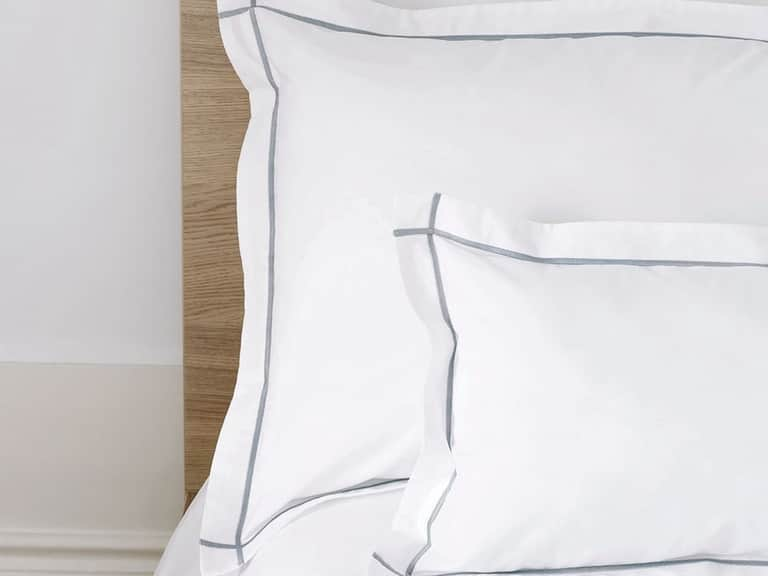
A sheet is only one part of the surface a sleeper encounters. A pillowcase made from percale can bring the same crisp cotton feel close to the face. The Bovi Classic Hotel Pillowcases and Shams, for instance, are described as 100% cotton percale with a crisp, breathable feel. Although pillowcases are not fitted sheets, they illustrate how the same weave can shape the sensation of a bedding layer.
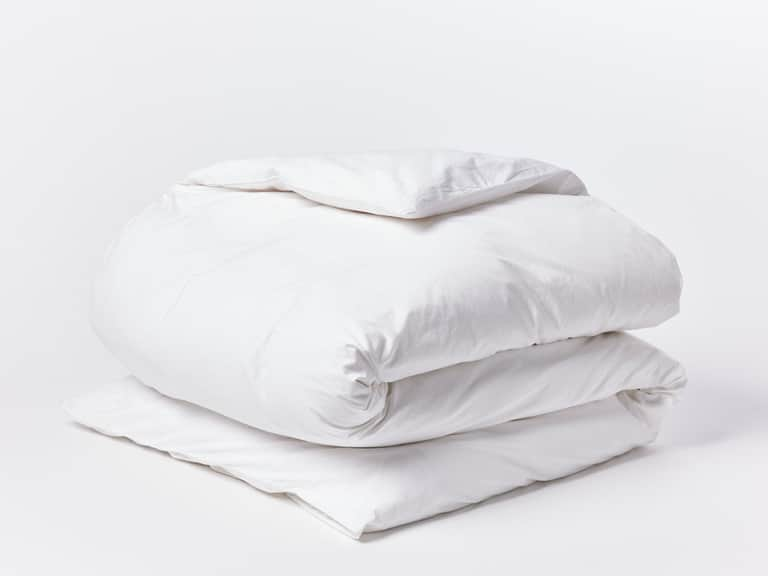
Duvet covers influence the feel of the uppermost layer, while inserts add much of the bed’s insulation. The Refined Organic Percale Duvet Cover uses organic cotton in a percale weave and is described as crisp and breathable. Pairing a crisp cover with a warm, lofty insert may still create a very cozy bed; the cover’s weave does not cancel the insert’s insulation.
Likewise, a mattress protector beneath the fitted sheet can affect how the bed feels. Its material and construction may alter airflow or surface softness. If a new set of sheets does not resolve a heat or comfort issue, look at the layers below and above it before concluding that the weave is the cause.
Choose by sensation, not by a universal rule
There is no single sheet weave that promises better sleep for everyone. Sleep is shaped by many things, and fabric preference is individual. One person may find percale reassuringly fresh; another may experience the same crispness as too stiff. Sateen may feel gentle and fluid to one sleeper, but too close or warm to another.
If you are uncertain, focus on the language that best describes your preferred touch. Do you like a freshly laundered shirt’s crispness, or the glide of a smooth, soft fabric? Do you prefer bedding that rests lightly over you, or a surface that drapes closer? These simple comparisons are more useful than choosing by thread count alone.
Where possible, feel the fabric in person or begin with one layer, such as pillowcases, before changing the entire set. Keep the rest of the bedding consistent while testing a new weave, and give the sheets several washes to settle. Pay attention to more than the first few minutes: note whether the fabric still feels comfortable later in the night and how it behaves after laundering.
A small choice with a nightly presence
The cotton weave beneath a sleeper is a quiet piece of design, made visible through touch. Percale’s one-over, one-under pattern tends toward a crisp, matte finish; sateen’s longer floats tend toward smoothness and drape. Neither description is a promise of a particular night’s sleep, but each offers a helpful starting point.
Think of sheets as part of a larger environment: room temperature, air movement, blankets, mattress layers, and personal comfort all interact. Choose a weave that suits the sensation you enjoy, check the construction and fit, and follow the care directions so the fabric can serve through many nights. In the end, the most useful sheet is not the one with the boldest claims. It is the one that feels comfortable when the room grows quiet and you settle in.